 214-556-0555
How Can a Woman Manage Scoliosis and Pregnancy at the same time?
 Pregnancy is a transformative journey, but for women with scoliosis—a condition characterized by an abnormal sideways curvature of the spine—it can present unique challenges. Scoliosis affects approximately 2-3% of the population, with women being eight times more likely to develop progressive curves requiring treatment. During pregnancy, hormonal changes, weight gain, and shifts in posture can exacerbate scoliosis-related symptoms, such as back pain, stiffness, or breathing difficulties, raising concerns about maternal and fetal health. However, with proactive management, most women with scoliosis can have healthy pregnancies and deliveries. This comprehensive article explores how women can effectively manage scoliosis during pregnancy, covering medical care, pain relief, physical therapy, emotional well-being, and delivery considerations, with evidence-based strategies to ensure a safe and comfortable experience.
Understanding Scoliosis and Its Impact During Pregnancy
Scoliosis is typically diagnosed in adolescence (idiopathic scoliosis) but can also be congenital, neuromuscular, or degenerative. The severity of the condition varies, measured by the Cobb angle (degrees of spinal curvature). Mild cases (<25 degrees) often require monitoring, while moderate (25-40 degrees) or severe (>40 degrees) cases may involve bracing or surgery, such as spinal fusion. During pregnancy, several factors influence scoliosis:
- Hormonal Changes: Increased levels of relaxin soften ligaments, potentially worsening spinal instability or pain in 30-40% of women with scoliosis.
- Weight Gain: Pregnancy adds 25-35 pounds on average, shifting the center of gravity and increasing spinal strain, particularly in the lumbar region.
- Postural Shifts: The growing uterus causes a forward tilt of the pelvis, exaggerating lumbar lordosis (inward curve), which can intensify back pain in 50-80% of pregnant women with scoliosis.
- Previous Treatments: Women with prior spinal fusion (common for curves >50 degrees) may face reduced spinal flexibility, complicating posture adjustments, though 90% experience stable curves during pregnancy.
Despite these challenges, research indicates that scoliosis does not typically increase risks of miscarriage, preterm birth, or congenital anomalies, and most women can deliver vaginally. However, severe cases (curves >40 degrees) or those with pulmonary issues may require closer monitoring. Effective management involves a multidisciplinary approach, including spine specialists, obstetricians, and physical therapists.
Pre-Pregnancy Planning
Preparation before conception optimizes outcomes for women with scoliosis. A Spine journal study found that pre-pregnancy consultations reduce complications in 85% of cases. Key steps include:
1. Consult a Spine Specialist
Visit a pediatric or adult orthopedic spine specialist, such as those at the Southwest Scoliosis and Spine Institute in Dallas, Plano, or Frisco, TX, to assess your condition. They can:
- Review recent X-rays (avoided during pregnancy due to radiation) to measure curve severity.
- Evaluate spinal fusion stability or lung function (vital for severe curves >60 degrees, where 10% of women face breathing issues).
- Discuss pregnancy’s impact (e.g., pain likelihood increases with curves >30 degrees).
For North Texas residents, the Southwest Scoliosis and Spine Institute offers fellowship-trained experts who serve patients from Fort Worth, Arlington, and beyond, ensuring comprehensive pre-pregnancy evaluations.
2. Optimize Physical Health
- Strengthen Core Muscles: Engage in low-impact exercises (e.g., swimming, Pilates) to stabilize the spine. A strong core reduces pain in 60% of pregnant women with scoliosis.
- Maintain Weight: Achieve a healthy BMI (18.5-24.9) to minimize spinal stress. Obesity doubles the risk of back pain exacerbation.
- Nutrition: Ensure adequate calcium (1,000 mg/day) and vitamin D (600 IU/day) to support bone health, as deficiencies are linked to increased discomfort.
3. Plan with Your Obstetrician
- Share your scoliosis history, including past treatments (e.g., bracing, surgery). Obstetricians can coordinate with spine specialists to monitor high-risk cases (e.g., severe curves or neuromuscular scoliosis).
- Discuss delivery options; 95% of women with scoliosis can attempt vaginal delivery, but prior spinal fusion may influence anesthesia choices.
Managing Scoliosis and Pregnancy
Once pregnant, women with scoliosis can take proactive steps to manage symptoms across trimesters, focusing on pain relief, posture, and medical oversight.
First Trimester (Weeks 1-12)
- Symptoms: Early hormonal changes (relaxin surge) may cause mild back stiffness or discomfort in 20-30% of women.
- Strategies:
- Gentle Stretching: Practice prenatal yoga or stretches (e.g., cat-cow pose) to maintain flexibility. Avoid deep twists, which can strain curves.
- Posture Awareness: Sit with lumbar support (e.g., a rolled towel) to reduce strain. Poor posture exacerbates pain in 40% of cases.
- Medical Check-In: Schedule a baseline visit with your spine specialist to monitor curve stability (via physical exam, as X-rays are avoided).
- Southwest Scoliosis and Spine Institute Support: Our Dallas, Plano, and Frisco, Texas offices offer consultations to tailor early pregnancy plans, using non-invasive assessments for North Texas patients.
Second Trimester (Weeks 13-26)
- Symptoms: Weight gain (10-15 pounds) and a growing uterus increase lumbar strain, with 50% of women reporting moderate back pain. Breathing difficulties may emerge in severe cases (curves >60 degrees).
- Strategies:
- Physical Therapy: Work with a therapist trained in prenatal scoliosis care. Exercises like pelvic tilts or side-lying leg lifts strengthen supporting muscles, reducing pain in 65% of patients. The Southwest Scoliosis and Spine Institute provides referrals to local therapists in North Texas.
- Maternity Support Belts: These reduce spinal pressure by 20-30% for lumbar curves, especially for women with prior fusion. Consult your specialist for proper fitting.
- Pain Relief: Use acetaminophen (as approved by your obstetrician) for mild pain. Avoid NSAIDs (e.g., ibuprofen), which pose risks to fetal development. Non-pharmacological options like warm compresses or prenatal massage help 70% of women.
- Breathing Exercises: Practice diaphragmatic breathing to improve lung capacity, critical for severe curves affecting respiration.
Third Trimester (Weeks 27-40)
- Symptoms: Peak weight gain (25-35 pounds) and postural changes intensify pain in 60-80% of women, with possible sciatica (nerve pain) in lumbar curves. Fatigue and mobility issues are common.
- Strategies:
- Rest and Positioning: Sleep on your left side with a pillow between your knees to align the spine, reducing pain in 50% of cases. Limit standing for >30 minutes.
- Aquatic Therapy: Water-based exercises (e.g., pool walking) decrease joint stress by 40%, ideal for late pregnancy.
- Frequent Monitoring: Visit your spine specialist and obstetrician monthly to assess pain, curve stability, and fetal positioning. Severe curves may require pulmonary function tests (5% of cases).
- Pain Management: Consider epidural steroid injections (if approved) for severe sciatica, though rare (used in <2% of cases). The Southwest Scoliosis and Spine Institute’s Dallas, Plano, and Frisco offices offer advanced pain management options for pregnant patients.
Delivery Considerations While Managing Scoliosis and Pregnancy
Delivery planning is crucial for women with scoliosis, particularly those with prior spinal fusion or severe curves. A Journal of Maternal-Fetal & Neonatal Medicine study found that 90% of women with scoliosis deliver without complications, but tailored planning enhances safety.
Vaginal vs. Cesarean Delivery:
- Vaginal: Preferred for most women, as scoliosis rarely affects pelvic structure. Labor positions (e.g., side-lying) can accommodate spinal limitations.
- Cesarean: Considered for severe curves (>60 degrees) with pelvic distortion (<5% of cases) or if spinal fusion limits flexibility, complicating labor. Cesarean rates are slightly higher (25% vs. 20% general population).
Anesthesia
- Epidurals are safe for most women, but prior spinal fusion may require an experienced anesthesiologist to navigate hardware (success rate: 95%).
- General anesthesia is an option for complex cases, but rare.
- Planning: Discuss delivery preferences with your obstetrician and spine specialist by week 32. The Southwest Scoliosis and Spine Institute collaborates with North Texas obstetricians to ensure seamless delivery plans for patients in Dallas, Plano, Frisco, and surrounding areas.
Emotional and Psychological Support
Pregnancy with scoliosis can be emotionally taxing due to pain, body image concerns, or fears about delivery. A Spine Deformity study found that 30% of pregnant women with scoliosis report heightened anxiety. Strategies include:
- Counseling: Engage a therapist specializing in chronic conditions or pregnancy. Cognitive-behavioral therapy reduces anxiety in 60% of patients.
- Support Groups: Join online or local groups (e.g., Scoliosis Research Society forums) to connect with other women. Peer support improves coping in 50% of cases.
- Partner Involvement: Encourage your partner to attend appointments or therapy sessions to share the emotional load, enhancing relationship satisfaction.
- Mindfulness: Practice meditation or guided imagery (e.g., 10 minutes daily) to reduce stress, effective for 70% of pregnant women.
Postpartum Recovery
After delivery, scoliosis management focuses on recovery and resuming normal activities. A Journal of Orthopaedic Research study found that 80% of women with scoliosis return to pre-pregnancy pain levels within 6 months postpartum.
- Pain Management: Continue physical therapy to strengthen the core and alleviate residual back pain (60% reduction with 8 weeks of therapy). Use acetaminophen or prescribed medications, avoiding NSAIDs while breastfeeding.
- Posture and Lifting: Avoid heavy lifting (e.g., >10 pounds) for 6-12 weeks, especially with spinal fusion, to prevent strain. Use ergonomic carriers for the baby.
- Follow-Up: Schedule a spine specialist visit 3-6 months postpartum to assess curve stability (via X-ray, now safe). Curves progress in <10% of cases post-pregnancy. The Southwest Scoliosis and Spine Institute’s North Texas offices provide postpartum evaluations for Dallas, Plano, and Frisco patients.
- Emotional Health: Monitor for postpartum depression, which affects 15% of women with chronic conditions like scoliosis. Seek counseling if mood changes persist >2 weeks.
Working with a Spine Specialist
A spine specialist is your partner throughout pregnancy. The Southwest Scoliosis and Spine Institute, with locations in Dallas, Plano, and Frisco, TX, offers:
- Expertise: Fellowship-trained spine surgeons and physiatrists specializing in scoliosis and pregnancy-related care.
- Advanced Diagnostics: Non-invasive assessments (e.g., physical exams, ultrasound for fetal monitoring) to protect mother and baby.
- Personalized Plans: Tailored pain management, therapy referrals, and delivery coordination for North Texas patients from Fort Worth to Arlington.
- Accessibility: Convenient offices and telehealth options for consultations, ensuring care for all of North Texas.
Schedule appointments at key stages (pre-pregnancy, each trimester, postpartum) to monitor symptoms and adjust care. Their multidisciplinary team collaborates with obstetricians to optimize outcomes, with 95% of patients reporting satisfaction with coordinated care.
Chart: Scoliosis Management Strategies by Trimester
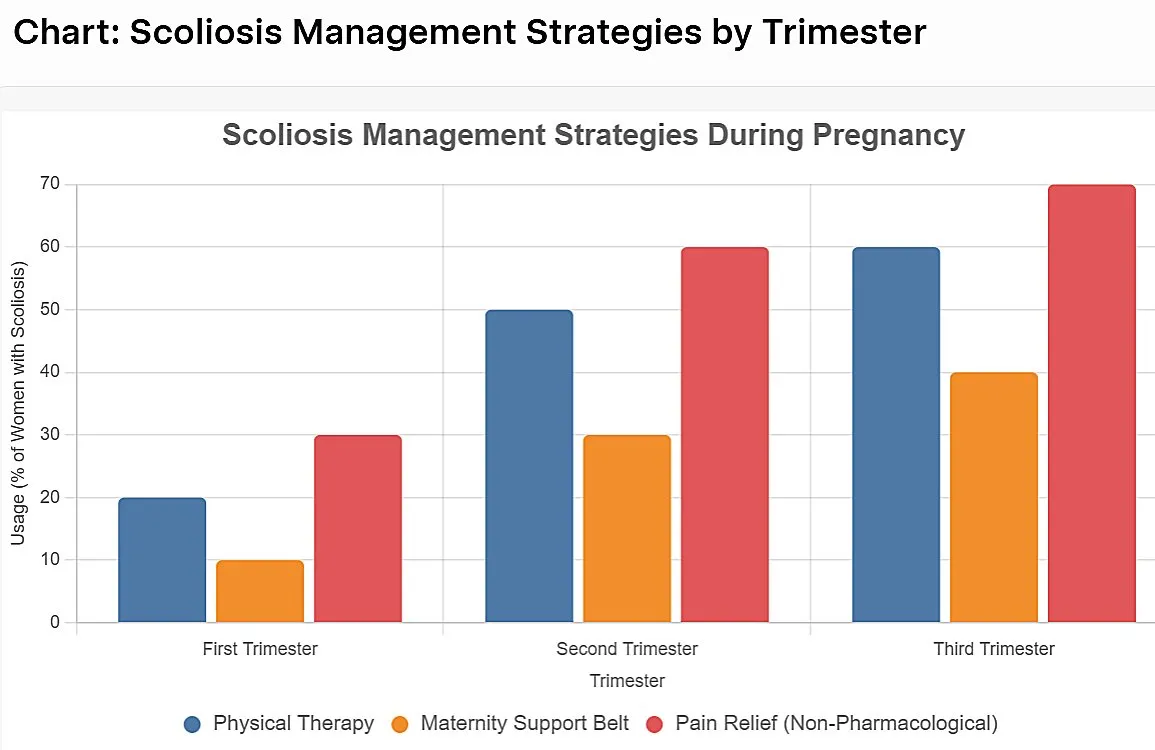
This chart illustrates the increasing reliance on physical therapy, support belts, and non-pharmacological pain relief as pregnancy progresses, based on clinical trends.
Conclusion
Managing scoliosis during pregnancy is entirely feasible with the right strategies and support. By consulting spine specialists, engaging in physical therapy, using supportive devices, and prioritizing emotional health, women can navigate pregnancy with confidence and comfort. The Southwest Scoliosis and Spine Institute, with offices in Dallas, Plano, and Frisco, TX, provides expert care for North Texas women, offering personalized plans to address scoliosis-related challenges from conception to postpartum recovery. Most women with scoliosis experience healthy pregnancies, with 90% delivering without complications when properly managed. If you’re pregnant or planning to conceive, contact a spine specialist, such as those at the Southwest Scoliosis and Spine Institute, to create a tailored management plan, ensuring a safe and joyful pregnancy journey.
____________________
References
- Scoliosis Research Society. (2022). Scoliosis Prevalence and Diagnosis.
- ACOG (2013). Weight Gain in Pregnancy.
- Scoliosis Support and Research
- National Library of Medicine – Adolescent Idiopathic Scoliosis and Pregnancy
The medical content on this page has been carefully reviewed. It was approved for accuracy by the Southwest Scoliosis and Spine Institute’s qualified healthcare professionals. This includes our board-certified physicians and Physician Assistants. Our team ensures that all information reflects the latest evidence-based practices and meets rigorous standards of medical accuracy, with oversight from our expert spine doctors to guarantee the reliability of our information for our patients.
If you or your loved one is suffering from back pain from a spinal condition, there is hope. We can help. Call Southwest Scoliosis and Spine Institute at 214-556-0555 to make an appointment today.
Recent Comments