 214-556-0555
Spine Surgery for Elderly Patients:
Spine surgery fixes issues in the back’s bones, discs, or nerves. Doctors use it to ease pain or restore movement. For elderly patients, it often treats wear from age. Moreover, common problems include disc wear, bone spurs, or narrow spinal canals. These cause back pain or leg weakness.
Common Spine Surgeries for Older Adults
1. Decompression Procedures
- Laminectomy / Laminotomy: Surgeons remove part of the vertebral bone (lamina) to create space for compressed nerves.
- Foraminotomy: Opens the nerve passageways (foramina) to relieve pressure from arthritis, bone spurs, or disc changes.
These are often used for spinal stenosis or nerve-root compression that causes leg pain or numbness.
2. Discectomy or Microdiscectomy
When a herniated disc presses on a nerve, the damaged disc material can be trimmed or removed. Microdiscectomy uses a smaller incision and magnification, which may help with recovery.
3. Spinal Fusion
Fusion joins two or more vertebrae, so they heal into one solid bone. It stabilizes the spine in conditions such as spondylolisthesis, scoliosis, fractures, or severe degeneration. Surgeons may use screws, rods, or cages to hold the vertebrae while they fuse.
4. Vertebroplasty and Kyphoplasty
For painful compression fractures, often from osteoporosis, these minimally invasive techniques inject bone cement into the broken vertebra. Kyphoplasty adds a balloon step to restore some height before cement is placed.
5. Artificial Disc Replacement
In select older patients with preserved bone quality and single-level disc disease, a damaged disc can be replaced with a mobile implant instead of fusing the segment.
Surgeons weigh several factors—age, overall health, bone strength, and goals for mobility—before recommending any procedure. Conservative measures such as physical therapy, medications, and injections are usually tried first, but surgery can bring significant relief and improved function when symptoms remain severe.
Would you like me to tailor this list to a specific condition, such as scoliosis, spinal stenosis, or fractures in older adults?
Why Elderly Patients Need It
Elderly folks face more spine issues due to aging. Discs dry out and lose height. Bones weaken from osteoporosis. Moreover, arthritis stiffens joints. This leads to pain, numbness, or trouble walking. Surgery helps when other treatments fail. For example, it stabilizes the spine or relieves nerve pressure.
Types of Spine Surgery
Several types suit elderly patients. First, decompression removes bone or tissue pressing on nerves. A laminectomy widens the spinal canal. Moreover, fusion joins bones to stop movement and pain. Disc replacement swaps a bad disc with a fake one. Additionally, minimally invasive options use small cuts for faster healing.
Benefits and Risks for Elderly Patients
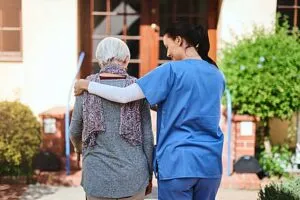 Surgery offers key perks. It reduces chronic pain. Moreover, it improves mobility. Patients often walk better after. Additionally, it prevents further damage. For instance, fusion stops curves from worsening. Studies show that many elderly patients regain independence. However, benefits depend on health and surgery type.
Surgery carries risks for elderly patients. Infections can occur at the cut site. Blood clots form in the legs. Moreover, anesthesia causes issues in frail patients. Bone healing slows with age. Additionally, heart or lung problems increase complications.<Weak bones raise fracture risks during ops.
Assessing Eligibility
Doctors check if surgery fits. They review overall health first. Heart and lung tests ensure safety. Moreover, bone density scans spot osteoporosis. Nutrition and mobility matter too. Additionally, patients with many health issues may skip surgery. Good candidates have strong support at home.
Preparing for Surgery
Preparation boosts success. Stop smoking weeks before. It harms healing. Moreover, eat healthy foods rich in vitamins. Exercise lightly to build strength. Additionally, manage meds with your doctor. Learn about the procedure. This reduces fear.
The Surgery Process
On surgery day, you get anesthesia to sleep. Doctors make cuts to reach the spine. For fusion, they use screws and bone grafts. Moreover, minimally invasive tools cut less tissue. Surgery lasts one to several hours. After you wake in recovery.
Recovery After Surgery
Recovery starts in the hospital. Stay a few days for monitoring. Moreover, pain meds ease discomfort. Walk soon to prevent clots. Additionally, physical therapy begins early. It builds strength and flexibility. Full healing takes months.
Rehab and Follow-Up
Rehab is key for elderly patients. Therapists guide exercises at home. Moreover, use walkers if needed. Follow-up visits check healing. Additionally, X-rays track bone fusion. Adjust meds as pain lessens. Most return to daily tasks in weeks.
Alternatives to Surgery
Not all need surgery. Try physical therapy first. It strengthens the back muscles. Moreover, pain meds or shots reduce swelling. Bracing supports the spine. Additionally, lifestyle changes like weight loss help. Acupuncture eases pain for some.
Guidelines for Elderly Patients
Guidelines stress careful checks. Assess risks before surgery. Moreover, use minimally invasive methods when possible. They cut recovery time. Additionally, team care with heart doctors improves outcomes. Early surgery for some issues prevents worse problems. Always weigh benefits against risks.
Success Stories
Many elderly patients thrive after surgery. One 80-year-old walked pain-free post-fusion. Moreover, studies show low complication rates with good prep. Additionally, quality of life improves. Patients regain hobbies and family time.
When to Seek Help
See a doctor for ongoing back pain. Numbness or weakness needs quick checks. Moreover, falls or bladder issues signal urgency. At Southwest Scoliosis and Spine Institute, experts guide elderly patients.
Conclusion
Spine surgery helps elderly patients live better. It eases pain and boosts movement. However, choose it wisely with the doctor’s advice. Preparation and rehab ensure success.
At the Southwest Scoliosis and Spine Institute, we focus on Scoliosis Diagnosis, Treatment, & Care for our Patients. Our fellowship-trained, board-certified expert orthopedic scoliosis surgeons, Richard Hostin, MD, Devesh Ramnath, MD, Ishaq Syed, MD, Shyam Kishan, MD, and Kathryn Wiesman, MD, specialize in all types of spine conditions, deformities, and scoliosis pain. Significantly, these surgeons have treated over 100,000 patients and performed more than 16,000 successful scoliosis surgeries, including complex and revision cases. Finally, the team’s commitment to personalized care ensures that each patient receives a tailored treatment plan.
____________________
Citation: National Institute of Health – Is Spine Surgery Safe for the Elderly
The medical content on this page has been carefully reviewed and approved for accuracy by the Southwest Scoliosis and Spine Institute’s qualified healthcare professionals, including our board-certified physicians and Physician Assistants. Our team ensures that all information reflects the latest evidence-based practices and meets rigorous standards of medical accuracy, with oversight from our expert spine doctors to guarantee reliability for our patients.
If you or your loved one is suffering from back pain from a spinal condition, there is hope. We can help. Call Southwest Scoliosis and Spine Institute at 214-556-0555 to make an appointment today.
Recent Comments